Sunday, April 10, 2016
Reading Reflection Week 13
I was surprised in how much the emotional aspects of running a business can contribute to success and failure, obviously emotional health is important for the individual but I hadn't considered the impact it can also have on the business. Nothing in particular confused me, overall I thought the author did a fantastic job laying out everything. If I could ask two questions of the author I'd ask them how in depth should checklists be to be useful and also can being too committed be harmful in a business/entrepreneur environment

Celebrating Failure
One time I experienced failure this semester was in one of my science classes, biochemistry specifically. I studied very hard for the first exam, the kind of studying that has always seen me through in the past, and I did very poorly on the test, and was crushed. What I learned from this experience is that it takes different methods for studying, and that I would need different studying tactics to help me pass the class, which I used in subsequent exams for that class and others like it.
I don't always handle the best, I tend to beat myself up about failure and despair about what it means for my future, even if its relatively inconsequential in the grand scheme of my life and my goals. I would definitely say that this class has made me less risk and failure averse, now that I know the importance that willingness to fail and take risks is in life and entrepreneurship.
I don't always handle the best, I tend to beat myself up about failure and despair about what it means for my future, even if its relatively inconsequential in the grand scheme of my life and my goals. I would definitely say that this class has made me less risk and failure averse, now that I know the importance that willingness to fail and take risks is in life and entrepreneurship.
Wednesday, April 6, 2016
My Exit Strategy
If I had to plan out an exit strategy for this venture, I would probably wish to sell it within several years for a tidy profit. My reasoning for this is that technology, and especially phone applications, is an extremely rapidly shifting market space. On top of that, my demographic is young college students, a demographic with rapidly changing tastes and needs. Even if I came up with a great idea here and now, its not likely it will stay that way, or that I will be able to continue to come up with more ideas to target the same marketplace. By getting out and selling early, I avoid the problems that come with my venture aging while still making a profit.

I'm not entirely sure if this exit strategy has meaningfully impacted by business strategy. I'm not shifting to short-term plans in lieu of long-term plans because I know I'll be out of the game sooner rather than later. Its more that I recognize my venture idea is highly dependent on time and place and I want to only be in that business for as long as that time and place lasts. Besides that though, it has not affected by strategy.
I'm not entirely sure if this exit strategy has meaningfully impacted by business strategy. I'm not shifting to short-term plans in lieu of long-term plans because I know I'll be out of the game sooner rather than later. Its more that I recognize my venture idea is highly dependent on time and place and I want to only be in that business for as long as that time and place lasts. Besides that though, it has not affected by strategy.
Sunday, April 3, 2016
Week 12 Reading Reflection
During this weeks reading, I was first most surprised by the various descriptions of just how bad things could go for an entrepreneur without proper strategic planning. Obviously planning is important, but just how bad things could go when you wing it was entertaining to read. I was somewhat confused by how the strategic matrix was laid out, but I figured it out and grokked to it after a little while of examining it. If I could ask the author two questions, it would be the aspects of a successful strategic matrix, and the common pitfalls people run into while developing their matrix. I wasn't really confused by any aspect of the reading, besides that bit with the strategic matrix.
What's Next?
NOTE: I had an issue where my video files for the interviews were corrupted. I'm trying to get it fixed and will update with links once I do. Until then, I did my best to summarize and transcribe the interviews.
Existing Market
I believe the future for the market I am making my app in has to include features like syncing with other calendar and planning applications, voice functionality ala Siri, and expanded coverage of more schools and universities.
Interviewee one stated that they believe that working with every major university and community college would be an important future step for an app like mine. They agreed that syncing with other apps would be very useful for planning purposes
Interviewee two said that what she thinks would be most important is usability, and having non-mobile versions of the app for more serious use. They thought that working with Siri and following voice commands would be an attractive feature
Interviewee three said that he would want to be able to plan out semesters between different schools, such as taking classes at UF in the fall and at a community college in the summer. They agreed that being able to sync with calendar apps would be convenient.
With this feedback, I have decided that the most important avenue for the future is expansion, both in terms of coverage and in places where the app can be used. Syncing between desktop, mobile, and other calendar and planning apps would allow my app to be as non-intrusive and convenient to people as possible, making it a more attractive option to everyone.
New Market
I believe that it could be possible to modify this venture to target schools as the primary market, and not students. Schools could provide the app to students as a feature in their advising program, making their school more attractive and student friendly. I would imagine being able to sell a license rather than individual copies of the app would be important here
Interviewee one said the most important thing would be bug testing and uniformity, as it would have to work in as broad a selection of hardwares as possible, and have no bugs as people would be depending on it for planning their academic schedule.
Interviewee two said the most important thing would in fact having an attractive package to sell schools, with a scalable model for selling licenses and being able to provide tech support and make custom additions to the feature set for different clients.
Interviewee three said that if they were evaluating purchasing this product for their program, a variety of language and dialect options for working with a broad and diverse student body would be vital. Additionally, it should be simple to use so even tech-illiterate teachers and students could navigate and use the program successfully.
What I learned from this second set of interviews is that the most important thing for selling to this sort of user base isn't flashy features, but dependability and accessibility. If you are a large school program purchasing this app, you want to make sure almost everyone can use it, both from a personal and technological standpoint. I had not considered this when thinking purely from the standpoint of tech savvy college students.
Sunday, March 27, 2016
Week 11 Reading Reflection
I was somewhat surprised in this weeks reading that often technological innovations are the not the primary driver of successful new businesses, but rather the strength of innovative ideas instead. I was confused what "create value in your innovation strategy" meant, it seems to just be PR talk for "make your thing useful to someone" which seemed a bit self-explanatory. If I could ask the author two questions, I'd ask them what a useful tactic for discovering innovative ideas is, and what the next most important factor for business success other than innovation is. There was nothing I disagreed with with the author this week, I found it well written and agreeable.
Amazon Whisperer
The revenue drivers I can see existing for my current idea would be ad money, and app purchase. Either I could offer my app for free and support it with adds, or have an upfront fee. The next offering should be something that further allows my customers to plan and manage their academic careers, maybe a system for sorting class assignments by priority and due date, or managing group projects. This could foster customer loyalty by making my products a line for enhancing academic experiences. The closest thing I could find to this was a program called siebel assignment manager. I could not find direct user review for it, but it seems very archaic and not user friendly, and only on computers. I would give it phone support, a totally renovated UI and look, and make it as user friendly as possible to appeal to broad audiences.
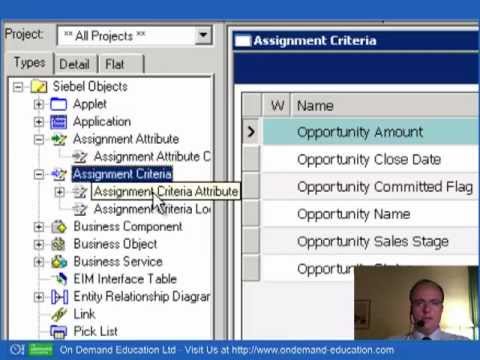 This potential product would increase the reputation of my product line as a series of high quality user friendly academic managing tools.
Subscribe to:
Posts (Atom)