The biggest surprise for me in this final weeks reading was probably the supreme importance of customer loyalty. Obviously customer loyalty is important, but I figured it was more of a 'bonus' than an essential tool for growth. Though I guess having people you can rely on to come back for repeat business would be very important.
The bit about sending loan information via text messages confused me. It seemed a somewhat sub-par way of relating important information like that, and certainly not the way I'd wish to receive such information. If I could ask the author any two questions, I'd ask for more info about the motivations for using microfinance as a tool against poverty, and the success rate in using such ventures in a more focused, local environment. There was nothing in particular I disagreed with the author on, though I would like to see a bit more info on the success rate of microfinancing.
Saturday, April 23, 2016

Final Reflection
After browsing through the blog I've kept over the past semester, a few moments stick out. I think my favorite activity I did was interviewing people in my demographic about my venture idea. It was kind of scary but a lot of fun and taught me a lot about conducting interviews. I remember dreading the first entrepreneur interview I did, but it was a lot easier the second time around. I think overall the in person interviews were the most formative experiences for me, I really learned a lot about getting over my insecurities and approaching people, which is useful in and out of the business world.
I suppose I definitely see myself as more of an entrepreneur than I did at the beginning. I wouldn't call myself a full fledged entrepreneur, what with haven't actually started a business, but I definitely feel more comfortable and in-tune with that sort of mindset. If I were to give advice to future students in this course, the number one piece of advice would be to not be too afraid to leave your comfort zone. Its essential for success and for growing as an entrepreneur and a person overall. If you let go of your insecurities a bit, you'll find yourself having a lot of fun!

I suppose I definitely see myself as more of an entrepreneur than I did at the beginning. I wouldn't call myself a full fledged entrepreneur, what with haven't actually started a business, but I definitely feel more comfortable and in-tune with that sort of mindset. If I were to give advice to future students in this course, the number one piece of advice would be to not be too afraid to leave your comfort zone. Its essential for success and for growing as an entrepreneur and a person overall. If you let go of your insecurities a bit, you'll find yourself having a lot of fun!
Thursday, April 21, 2016
Elevator Pitch No. 4
In my 4th elevator pitch I made a significant effort to include the feedback I had gotten for my venture idea in other assignments. Specifically, I included the feedback about how my app would be paid for and how I could offer it as a service package to schools to offer to their students. I feel that adding these pieces of feedback significantly improved my overall elevator pitch.
https://www.youtube.com/watch?v=HayXdB6T1SQ&feature=youtu.be
https://www.youtube.com/watch?v=HayXdB6T1SQ&feature=youtu.be
Wednesday, April 20, 2016
Venture Concept No. 2
My venture concept idea is an app targeted at college students for planning out their semesters schedule, viewing degree audits, and viewing class catalogs. The app is called AdviseMe. This is meant to alleviate the problem many college students face which is long waits and inconvenient hours to see their advisers. This app will replace the need to see these advisers for basic questions about class schedules and what is needed for their degree. The app will make money via ad-support, and an optional 1 dollar fee to remove ads permanently. Our 'secret sauce' is the convenience factor of exploiting the prevalence of technology among the college demographic to solve a very common problem. In the future, I would like to expand this venture by selling it as service packages to colleges for them to provide to their students free of charge. I would like to manage this venture for awhile, and eventually sell it off.

The primary feedback I received while talking about this venture with people was positive. People in my targeted demographic agreed that they would find such a product useful. Originally I was going to charge everyone for the app, but feedback suggested that I make it free with ads with an optional buy in to appeal to college students more. Additionally the idea to sell as a package to schools was an idea I gained from feedback with a professor at UF.

The primary feedback I received while talking about this venture with people was positive. People in my targeted demographic agreed that they would find such a product useful. Originally I was going to charge everyone for the app, but feedback suggested that I make it free with ads with an optional buy in to appeal to college students more. Additionally the idea to sell as a package to schools was an idea I gained from feedback with a professor at UF.
Sunday, April 17, 2016
Week 14 Reading Reflection
In this weeks reading I was somewhat surprised by just how useful an entrepreneurship philosophy is to have. It makes sense when I think about it, but the extent to which it can be used to help your venture succeed was a surprise to me. I was confused with the author's stance on nepotism, I was always under the assumption that it was a bad and ethically dubious thing to practice. If I could ask two questions of the author I would first ask if there are legal situations where nepotism could get you into trouble. I would also ask what sort of entrepreneurial 'mindsets' are most important for a fresh entrepreneur to take. There was nothing I really disagreed with this week, excluding the issues I had with the nepotism.
Google Gold
The main strategy I used in my blog posts for SEO purposes was to try to have tags that accurately describe the variety of terms someone might use to search for my blog post. This would include the name and words in the title, such as for this post Google and Gold, as well as general tags such as business and UF. I tried to use more keywords as the semester went on. They are free to use, after all and it doesn't hurt to add more tags. I tried using social media once or twice to share my posts, but my social circle on Facebook doesn't really care about my school assignments. I used the built in share functionality to share a few posts on Google+, but I don't think anyone actually uses Google+. Overall I'd say social media ignored my blog posts, which I am not really surprised by. If I was one of my friends seeing me post assignments on Facebook, I probably wouldn't read them either.

My most "viral" post was the Unfair Advantage assignment with 31 view. I think it reached this number because multiple people decided to comment on it, presumably for their assignments. I tried searching for this blog post using the name and all the tags, but there were over 30,000 results and after thumbing through around 20 pages of search results I was unable to find it.
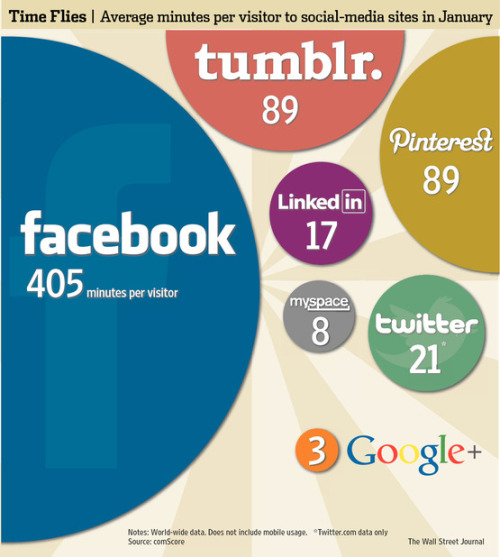
My most "viral" post was the Unfair Advantage assignment with 31 view. I think it reached this number because multiple people decided to comment on it, presumably for their assignments. I tried searching for this blog post using the name and all the tags, but there were over 30,000 results and after thumbing through around 20 pages of search results I was unable to find it.
Wednesday, April 13, 2016
Very Short Interview, Part 2
In my first interview with Mr. Tobin, I asked him basic questions about entrepreneurship, like what does it mean to be an entrepreneur, what does he wish he knew before he started, and what I should try to get out of this course. In retrospect a lot of his answers, like the importance of networking, seem almost obvious in hindsight. However I can remember being surprised at the time. I guess this just shows what I've managed to learn over the following months since the interview.
I set up a chat with Mr. Tobin over the phone to ask him three new questions now that I have new found perspective thanks to this course.
1. How much of your entrepreneur mindset is unique to your field, and how much is universal?
He told me that he believes a great deal of entrepreneurial skill is universal. Things like market research, interviewing potential customers, and managing your business transfer between almost every field. There are specific tricks to every trade of course, but a great deal is universal.
2. What do you think is the major point of failure for fresh entrepreneurs?
He said that is absolutely would have to be lack of understanding of the market. Many entrepreneurs have what seem like amazing ideas, but totally mismanage it when it comes to finding a receptive demographic or delivering in a way that is attractive to customers.
3. What do you think the single most important skill as an entrepreneur is?
Lack of a fear of failure. There is almost no such thing as a sure bet, and risk is proportionate to reward. Don't be afraid to fail! (But make sure potential failure won't ruin you.)
I felt a lot more comfortable conducting this interview the second time around. Partly because I had already interviewed Mr. Tobin before, but also because I have done so much interacting and interviewing throughout this course that I was used to it. He was also impressed on the quality of my questions, he thought they were very direct and no-nonsense. I attribute this to my experience in this course.
I set up a chat with Mr. Tobin over the phone to ask him three new questions now that I have new found perspective thanks to this course.
1. How much of your entrepreneur mindset is unique to your field, and how much is universal?
He told me that he believes a great deal of entrepreneurial skill is universal. Things like market research, interviewing potential customers, and managing your business transfer between almost every field. There are specific tricks to every trade of course, but a great deal is universal.
2. What do you think is the major point of failure for fresh entrepreneurs?
He said that is absolutely would have to be lack of understanding of the market. Many entrepreneurs have what seem like amazing ideas, but totally mismanage it when it comes to finding a receptive demographic or delivering in a way that is attractive to customers.
3. What do you think the single most important skill as an entrepreneur is?
Lack of a fear of failure. There is almost no such thing as a sure bet, and risk is proportionate to reward. Don't be afraid to fail! (But make sure potential failure won't ruin you.)
I felt a lot more comfortable conducting this interview the second time around. Partly because I had already interviewed Mr. Tobin before, but also because I have done so much interacting and interviewing throughout this course that I was used to it. He was also impressed on the quality of my questions, he thought they were very direct and no-nonsense. I attribute this to my experience in this course.
Sunday, April 10, 2016
Reading Reflection Week 13
I was surprised in how much the emotional aspects of running a business can contribute to success and failure, obviously emotional health is important for the individual but I hadn't considered the impact it can also have on the business. Nothing in particular confused me, overall I thought the author did a fantastic job laying out everything. If I could ask two questions of the author I'd ask them how in depth should checklists be to be useful and also can being too committed be harmful in a business/entrepreneur environment
Celebrating Failure
One time I experienced failure this semester was in one of my science classes, biochemistry specifically. I studied very hard for the first exam, the kind of studying that has always seen me through in the past, and I did very poorly on the test, and was crushed. What I learned from this experience is that it takes different methods for studying, and that I would need different studying tactics to help me pass the class, which I used in subsequent exams for that class and others like it.
I don't always handle the best, I tend to beat myself up about failure and despair about what it means for my future, even if its relatively inconsequential in the grand scheme of my life and my goals. I would definitely say that this class has made me less risk and failure averse, now that I know the importance that willingness to fail and take risks is in life and entrepreneurship.
I don't always handle the best, I tend to beat myself up about failure and despair about what it means for my future, even if its relatively inconsequential in the grand scheme of my life and my goals. I would definitely say that this class has made me less risk and failure averse, now that I know the importance that willingness to fail and take risks is in life and entrepreneurship.
Wednesday, April 6, 2016
My Exit Strategy
If I had to plan out an exit strategy for this venture, I would probably wish to sell it within several years for a tidy profit. My reasoning for this is that technology, and especially phone applications, is an extremely rapidly shifting market space. On top of that, my demographic is young college students, a demographic with rapidly changing tastes and needs. Even if I came up with a great idea here and now, its not likely it will stay that way, or that I will be able to continue to come up with more ideas to target the same marketplace. By getting out and selling early, I avoid the problems that come with my venture aging while still making a profit.

I'm not entirely sure if this exit strategy has meaningfully impacted by business strategy. I'm not shifting to short-term plans in lieu of long-term plans because I know I'll be out of the game sooner rather than later. Its more that I recognize my venture idea is highly dependent on time and place and I want to only be in that business for as long as that time and place lasts. Besides that though, it has not affected by strategy.
I'm not entirely sure if this exit strategy has meaningfully impacted by business strategy. I'm not shifting to short-term plans in lieu of long-term plans because I know I'll be out of the game sooner rather than later. Its more that I recognize my venture idea is highly dependent on time and place and I want to only be in that business for as long as that time and place lasts. Besides that though, it has not affected by strategy.
Sunday, April 3, 2016
Week 12 Reading Reflection
During this weeks reading, I was first most surprised by the various descriptions of just how bad things could go for an entrepreneur without proper strategic planning. Obviously planning is important, but just how bad things could go when you wing it was entertaining to read. I was somewhat confused by how the strategic matrix was laid out, but I figured it out and grokked to it after a little while of examining it. If I could ask the author two questions, it would be the aspects of a successful strategic matrix, and the common pitfalls people run into while developing their matrix. I wasn't really confused by any aspect of the reading, besides that bit with the strategic matrix.
What's Next?
NOTE: I had an issue where my video files for the interviews were corrupted. I'm trying to get it fixed and will update with links once I do. Until then, I did my best to summarize and transcribe the interviews.
Existing Market
I believe the future for the market I am making my app in has to include features like syncing with other calendar and planning applications, voice functionality ala Siri, and expanded coverage of more schools and universities.
Interviewee one stated that they believe that working with every major university and community college would be an important future step for an app like mine. They agreed that syncing with other apps would be very useful for planning purposes
Interviewee two said that what she thinks would be most important is usability, and having non-mobile versions of the app for more serious use. They thought that working with Siri and following voice commands would be an attractive feature
Interviewee three said that he would want to be able to plan out semesters between different schools, such as taking classes at UF in the fall and at a community college in the summer. They agreed that being able to sync with calendar apps would be convenient.
With this feedback, I have decided that the most important avenue for the future is expansion, both in terms of coverage and in places where the app can be used. Syncing between desktop, mobile, and other calendar and planning apps would allow my app to be as non-intrusive and convenient to people as possible, making it a more attractive option to everyone.
New Market
I believe that it could be possible to modify this venture to target schools as the primary market, and not students. Schools could provide the app to students as a feature in their advising program, making their school more attractive and student friendly. I would imagine being able to sell a license rather than individual copies of the app would be important here
Interviewee one said the most important thing would be bug testing and uniformity, as it would have to work in as broad a selection of hardwares as possible, and have no bugs as people would be depending on it for planning their academic schedule.
Interviewee two said the most important thing would in fact having an attractive package to sell schools, with a scalable model for selling licenses and being able to provide tech support and make custom additions to the feature set for different clients.
Interviewee three said that if they were evaluating purchasing this product for their program, a variety of language and dialect options for working with a broad and diverse student body would be vital. Additionally, it should be simple to use so even tech-illiterate teachers and students could navigate and use the program successfully.
What I learned from this second set of interviews is that the most important thing for selling to this sort of user base isn't flashy features, but dependability and accessibility. If you are a large school program purchasing this app, you want to make sure almost everyone can use it, both from a personal and technological standpoint. I had not considered this when thinking purely from the standpoint of tech savvy college students.
Existing Market
I believe the future for the market I am making my app in has to include features like syncing with other calendar and planning applications, voice functionality ala Siri, and expanded coverage of more schools and universities.
Interviewee one stated that they believe that working with every major university and community college would be an important future step for an app like mine. They agreed that syncing with other apps would be very useful for planning purposes
Interviewee two said that what she thinks would be most important is usability, and having non-mobile versions of the app for more serious use. They thought that working with Siri and following voice commands would be an attractive feature
Interviewee three said that he would want to be able to plan out semesters between different schools, such as taking classes at UF in the fall and at a community college in the summer. They agreed that being able to sync with calendar apps would be convenient.
With this feedback, I have decided that the most important avenue for the future is expansion, both in terms of coverage and in places where the app can be used. Syncing between desktop, mobile, and other calendar and planning apps would allow my app to be as non-intrusive and convenient to people as possible, making it a more attractive option to everyone.
New Market
I believe that it could be possible to modify this venture to target schools as the primary market, and not students. Schools could provide the app to students as a feature in their advising program, making their school more attractive and student friendly. I would imagine being able to sell a license rather than individual copies of the app would be important here
Interviewee one said the most important thing would be bug testing and uniformity, as it would have to work in as broad a selection of hardwares as possible, and have no bugs as people would be depending on it for planning their academic schedule.
Interviewee two said the most important thing would in fact having an attractive package to sell schools, with a scalable model for selling licenses and being able to provide tech support and make custom additions to the feature set for different clients.
Interviewee three said that if they were evaluating purchasing this product for their program, a variety of language and dialect options for working with a broad and diverse student body would be vital. Additionally, it should be simple to use so even tech-illiterate teachers and students could navigate and use the program successfully.
What I learned from this second set of interviews is that the most important thing for selling to this sort of user base isn't flashy features, but dependability and accessibility. If you are a large school program purchasing this app, you want to make sure almost everyone can use it, both from a personal and technological standpoint. I had not considered this when thinking purely from the standpoint of tech savvy college students.
Sunday, March 27, 2016
Week 11 Reading Reflection
I was somewhat surprised in this weeks reading that often technological innovations are the not the primary driver of successful new businesses, but rather the strength of innovative ideas instead. I was confused what "create value in your innovation strategy" meant, it seems to just be PR talk for "make your thing useful to someone" which seemed a bit self-explanatory. If I could ask the author two questions, I'd ask them what a useful tactic for discovering innovative ideas is, and what the next most important factor for business success other than innovation is. There was nothing I disagreed with with the author this week, I found it well written and agreeable.
Amazon Whisperer
The revenue drivers I can see existing for my current idea would be ad money, and app purchase. Either I could offer my app for free and support it with adds, or have an upfront fee. The next offering should be something that further allows my customers to plan and manage their academic careers, maybe a system for sorting class assignments by priority and due date, or managing group projects. This could foster customer loyalty by making my products a line for enhancing academic experiences. The closest thing I could find to this was a program called siebel assignment manager. I could not find direct user review for it, but it seems very archaic and not user friendly, and only on computers. I would give it phone support, a totally renovated UI and look, and make it as user friendly as possible to appeal to broad audiences.
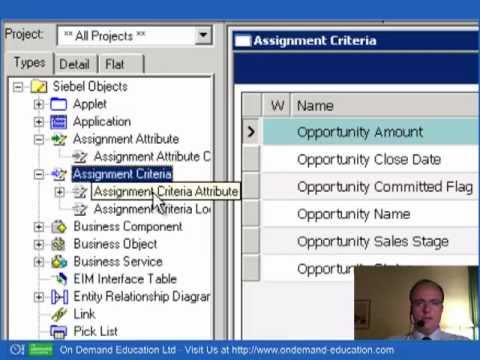 This potential product would increase the reputation of my product line as a series of high quality user friendly academic managing tools.
Wednesday, March 23, 2016
My Unfair Advantage
1. My college education in business. This is valuable, but not very rare, and easily inimitable. It could be replaced by experience in business theoretically.
2. Potential startup capital from family. This is valuable, reasonably rare, not too inimitable. It would be hard to get startup capital as an unproven venture with no track record, I would think
3. Technological prowess. This is very valuable in today's society, but not very rare, and easily inimitable. Theoretically one could replace this with someone to explain or do things for you.
4. Knowledge of the smartphone app market. This is somewhat valuable, but not all that rare, and somewhat inimitable. This is hard to replace, however and is an important skill I feel for penetrating an app-based market.
5. Access to entrepreneur resources via college. This is very valuable, but not too rare considering the size and number of other similar business colleges. Other resources exist for entrepreneurs, but its not very replaceable.
6. I have a car. This is important for getting around and meeting people for meetings, but not at all rare. Its not that important because I could always use public transportation, and is very replaceable.
7. A solid idea for my startup. This is extremely important, as businesses live and die on the quality of their concepts. Its not necessarily rare, but still very important and not at all replaceable.
8. Support network. Starting a company or launching a business plan can be very stressful, and having a network of friends and family is important not for business contacts, but for emotional support and stability. I'm confident that my friends and family are second to none, and absolutely irreplaceable.
9. Location. I currently live in a very active town full of college students, which is my businesses primary demographic. This is very valuable, somewhat rare, and not very replaceable. This will allow me to better access and interview my demographic.
10. Determination. I feel that I am very determined and driven to achieve my goals, This is extremely valuable to entrepreneurs. I cannot say for sure how rare or not rare my specific level of determination is among my peers. It is absolutely irreplaceable.
After performing this VRIN analysis, I feel that my most important resource is the strength of my startup idea. Without a strong, valid idea, every other resource doesn't really matter. It is by the strength of their concepts that businesses live and die, and while other resources assist or harm this, without that central concept, none of it would matter. A close runner up was my support network.
2. Potential startup capital from family. This is valuable, reasonably rare, not too inimitable. It would be hard to get startup capital as an unproven venture with no track record, I would think
3. Technological prowess. This is very valuable in today's society, but not very rare, and easily inimitable. Theoretically one could replace this with someone to explain or do things for you.
4. Knowledge of the smartphone app market. This is somewhat valuable, but not all that rare, and somewhat inimitable. This is hard to replace, however and is an important skill I feel for penetrating an app-based market.
5. Access to entrepreneur resources via college. This is very valuable, but not too rare considering the size and number of other similar business colleges. Other resources exist for entrepreneurs, but its not very replaceable.
6. I have a car. This is important for getting around and meeting people for meetings, but not at all rare. Its not that important because I could always use public transportation, and is very replaceable.
7. A solid idea for my startup. This is extremely important, as businesses live and die on the quality of their concepts. Its not necessarily rare, but still very important and not at all replaceable.
8. Support network. Starting a company or launching a business plan can be very stressful, and having a network of friends and family is important not for business contacts, but for emotional support and stability. I'm confident that my friends and family are second to none, and absolutely irreplaceable.
9. Location. I currently live in a very active town full of college students, which is my businesses primary demographic. This is very valuable, somewhat rare, and not very replaceable. This will allow me to better access and interview my demographic.
10. Determination. I feel that I am very determined and driven to achieve my goals, This is extremely valuable to entrepreneurs. I cannot say for sure how rare or not rare my specific level of determination is among my peers. It is absolutely irreplaceable.
After performing this VRIN analysis, I feel that my most important resource is the strength of my startup idea. Without a strong, valid idea, every other resource doesn't really matter. It is by the strength of their concepts that businesses live and die, and while other resources assist or harm this, without that central concept, none of it would matter. A close runner up was my support network.
Sunday, March 20, 2016
Week 10 Reading Reflection
In this weeks reading, I was surprised that the book claimed that most people would think market research would only support already known information. This idea seems strangely naive to me as an entrepreneur. I was also somewhat surprised by how in depth the book covered the financial aspects of this section, which seemed somewhat uncharacteristic compared to previous readings. I have previously taken multiple courses dealing with finance and accounting, such as financial accounting, so a lot of that did not really confuse me as I was already familiar with it. If I could ask any two questions, I'd ask what the cutoff point is for a market to be a 'niche' market, and I would ask how important it is for new entrepreneurs to understand about accounting before starting their business. There was nothing in particular I could disagree with in this reading, I found it all well written and agreeable.
Growing My Social Capital
I plan on having a future career in Dentistry, so I tried to contact people based on this.
The first person I contacted was Dr. Nossa, who is a dentist in Gainesville. He is a domain expert because he has worked in this field for many years. I had previously worked with Dr. Nossa and contacted him with e-mail. He has previously allowed me to volunteer with him at his practice. Knowing a practicing dentist will be useful for shadowing and potential letters of recommendation.
The second person I contacted was a man named Thomas Dithson, who I had met while volunteering at another clinic. He has worked in selling dental supplies for several years, making him a supply expert. I contacted him via e-mail that he had given me previously. Knowing him could allow me to gain info on the dental supplies market.
The final person I contacted was a pediatric dentist named Dr. Nealson, who I know from childhood as my own personal pediatric dentist. She is a market expert because she has worked and operated multiple dental practices and knows the market in South Florida. I contacted her via phone. She has previously allowed me to shadow her. Knowing her could be useful for getting information on how to open a practice in certain markets.
This experience differed from my previous networking experiences in that I had to directly reach and contact people, which I was not used to and was somewhat nervous about. In the future, I will mentally categorize network contacts by the specific niche they fill in my industry and how I can use that information to assist myself.
The first person I contacted was Dr. Nossa, who is a dentist in Gainesville. He is a domain expert because he has worked in this field for many years. I had previously worked with Dr. Nossa and contacted him with e-mail. He has previously allowed me to volunteer with him at his practice. Knowing a practicing dentist will be useful for shadowing and potential letters of recommendation.
The second person I contacted was a man named Thomas Dithson, who I had met while volunteering at another clinic. He has worked in selling dental supplies for several years, making him a supply expert. I contacted him via e-mail that he had given me previously. Knowing him could allow me to gain info on the dental supplies market.
The final person I contacted was a pediatric dentist named Dr. Nealson, who I know from childhood as my own personal pediatric dentist. She is a market expert because she has worked and operated multiple dental practices and knows the market in South Florida. I contacted her via phone. She has previously allowed me to shadow her. Knowing her could be useful for getting information on how to open a practice in certain markets.
This experience differed from my previous networking experiences in that I had to directly reach and contact people, which I was not used to and was somewhat nervous about. In the future, I will mentally categorize network contacts by the specific niche they fill in my industry and how I can use that information to assist myself.
Wednesday, March 16, 2016
Elevator Pitch No. 3
https://www.youtube.com/watch?v=y0g7CjH8fTU&feature=youtu.be
The feedback that I have received over the past two elevator pitches was useful to me in making this final third elevator pitch. The primary thing I was told in feedback was to make sure I am being dynamic and focused on the pitch, which I tried to do even more in this elevator pitch. Overall, people seem to think that my idea is solid and that I have found the right demographic to focus on for my idea. Feedback definitely helped me improve my elevator pitch.
Wednesday, March 9, 2016
Idea Napkin No. 2
My name is Jordan Lopez, I am a 3rd year Business Admin. major and am planning on going to Dental School after I graduate. I am good at public speaking. If I were to start my business idea, I would like to oversee it as I continue with my education. My product is an app that allows college students to get advising info without having to go to the adviser. This includes functions like planning out future semesters, checking degree audits, and viewing class catalogs. This allows students to avoid going and waiting in lengthy lines to get simple questions answered. The demographic for this product is college students, plain and simple. From freshman to senior, this app is useful to all of them. College students are busy, and advisers can have limited hours and long lines to see them. With that in mind, being able to pay 99 cents to download an app to have their questions answered and more would be a very attractive deal. But an even better way to get this app out to students would be to market it as a service to specific schools that could pay for it on their students behalf, making it a free bonus for students of that school What sets me apart from others with regard to bringing this idea to life is my skill at thinking through prospective demographics, public speaking skill, and knowledge of the app market. I believe I have a detailed and thorough understanding of the app market that few others have through my extensive research on the subject.
The biggest and only feedback point I got from my comments on my last Idea Napkin was that I should make the app be available for free to students. I could accomplish this by selling the app to the schools so they could provide it to the students for free. This makes the app easier to access as students do not have to pay upfront for it, and works for the schools as its a nice bullet point on their advising website.
I think my elements all fit together very well, my demographic is very on-point and I believe my idea to be sound. The only real weakness I feel in my business plan is that developing and running an app is not totally congruous with my plan to go to Dental School.
Sunday, February 28, 2016
Week 8 Reading Reflection
The biggest thing that stood out to me and surprised me in this weeks reading was how complicated and important the process of raising capital for a business venture is. Its simply something I never really thought much about before with regards to entrepreneurship. I was slightly confused by the SCOR exemption rules, as I did not totally understand what they applied to and when, I felt like I could have used a more in depth explanation of the SCOR exemptions. If I could ask the author two questions, I'd ask what types of businesses tend to use different methods of raising capital, and how exactly businesses can get started with less than 500 dollars in capital. What do those 500 dollars go towards? Finally, there was nothing in particular I disagreed with in this weeks reading.
The Twenty Percent
For this assignment, I worked with the same entrepreneur I did in my previous interview, Jason Tobin of Tobin Properties. He told me that their target demographic, as a company that provides commercial leasing, tends to me small business owners of a variety of backgrounds, and occasionally larger stores and companies. The primary needs of this customer base include vigilant upkeep and security of the surrounding storefronts, and responsiveness when contacted with issues. These customers tend to come to the company seeking to lease real estate, after seeing either advertisements on site or in papers.
I spoke with 3 businesses at a local strip mall operated by Tobin Properties, including a cell phone repair shop, a hairdresser, and a pool supply store. All three said that their primary desire out of a commercial landlord is responsiveness, as they had previously encountered trouble from absentee landlords who did not deal with disputes in a timely fashion. Additionally, upkeep up parking lots and lighting fixtures was important to keep the storefronts looking attractive and open to potential customers.
From my interviews, it would seem Tobin Properties has a very good grasp on what their customers desire in the commercial leasing business. This is to be expected, as it is a family business that has been operated for generations in the same area, so this kind of expertise is to be expected. Unfortunately, Jason Tobin was unavailable for video interview due to time constraints and other obligations, and none of the stores that were willing to speak with me were willing to do a video interview due to privacy concerns.
I spoke with 3 businesses at a local strip mall operated by Tobin Properties, including a cell phone repair shop, a hairdresser, and a pool supply store. All three said that their primary desire out of a commercial landlord is responsiveness, as they had previously encountered trouble from absentee landlords who did not deal with disputes in a timely fashion. Additionally, upkeep up parking lots and lighting fixtures was important to keep the storefronts looking attractive and open to potential customers.
From my interviews, it would seem Tobin Properties has a very good grasp on what their customers desire in the commercial leasing business. This is to be expected, as it is a family business that has been operated for generations in the same area, so this kind of expertise is to be expected. Unfortunately, Jason Tobin was unavailable for video interview due to time constraints and other obligations, and none of the stores that were willing to speak with me were willing to do a video interview due to privacy concerns.
Half-Way Reflection
To a future student on this class, I would recommend keeping a calendar of every assignment that is due, that would keep them from scrambling last minute to do an assignment. I've felt like giving up before when faced when a difficult assignment that would require me to get out of my comfort zone and talk to strangers on the street. Staying determined and keeping an open mind to new experiences is what pulled me through this situation, and helped me develop a tenacious attitude over the past few months.

If I was to give 3 tips, I would say:
1) Keep a schedule and a specific time each week to do assignments, readings, etc.
2) Keep an open mind and be willing to do new things.
3) Analyze what your doing and how it will help you develop important entrepreneur skills for your future.

If I was to give 3 tips, I would say:
1) Keep a schedule and a specific time each week to do assignments, readings, etc.
2) Keep an open mind and be willing to do new things.
3) Analyze what your doing and how it will help you develop important entrepreneur skills for your future.
Sunday, February 21, 2016
Week 7 Reading Reflection
In this weeks reading, the biggest surprise for me was the large variation in company types, from unified entity to LLP or sole proprietorship, especially the viability of a sole proprietorship. I guess I never considered how much variability existed in this space. I was slightly confused by the lack of decent examples of the different types of companies, though. I wish there had been a section relating famous real world companies to the various types of companies. If I could ask any two questions to the author I'd ask how they think segmentation will continue to change in the next decade, and what kind of company is the most popular in the US. There was nothing in particular that I could disagree with in this weeks reading.
Wednesday, February 17, 2016
Elevator Pitch No. 2
https://www.youtube.com/watch?v=DLl9W6ZMa4I&feature=youtu.be
I really enjoyed getting feedback last time. I got good advice like to be more dynamic and don't look so worried, and to not have the camera so close to me. All good advice I have tried to incorporate this time around. I have done that by being more dynamic, having a wider camera angle, and trying to have a bit of fun with it and not have it feel to rehearsed.
I really enjoyed getting feedback last time. I got good advice like to be more dynamic and don't look so worried, and to not have the camera so close to me. All good advice I have tried to incorporate this time around. I have done that by being more dynamic, having a wider camera angle, and trying to have a bit of fun with it and not have it feel to rehearsed.
Sunday, February 14, 2016
Week 6 Reading Reflection
This weeks reading was Michael Porter: The
Five Forces that Shape Competitive Strategy. The biggest surprise to me in this reading was how well boiled down market forces were described in the reading, making something that I would have thought to be immensely complicated much easier to understand. I was initially confused by the assertion that being fast-growing as an industry does not always equal big profits. It was initially counter-intuitive to me, but made sense after reading the explanation. If I could ask the author any two questions, I would ask what types of industries are most often vulnerable to being fast-growing but not profitable, and how best to navigate government forces with regards to affecting the industry. There was nothing I particularly disagreed with while reading through the assigned reading.
Thursday, February 11, 2016
Idea Napkin No. 1
My name is Jordan Lopez, I am a 3rd year Business Admin. major and am planning on going to Dental School after I graduate. I am good at public speaking. If I were to start my business idea, I would like to oversee it as I continue with my education. My product is an app that allows college students to get advising info without having to go to the adviser. This includes functions like planning out future semesters, checking degree audits, and viewing class catalogs. This allows students to avoid going and waiting in lengthy lines to get simple questions answered. The demographic for this product is college students, plain and simple. From freshman to senior, this app is useful to all of them. College students are busy, and advisers can have limited hours and long lines to see them. With that in mind, being able to pay 99 cents to download an app to have their questions answered and more would be a very attractive deal. What sets me apart from others with regard to bringing this idea to life is my skill at thinking through prospective demographics, public speaking skill, and knowledge of the app market. I believe I have a detailed and thorough understanding of the app market that few others have through my extensive research on the subject.
I think my elements all fit together very well, my demographic is very on-point and I believe my idea to be sound. The only real weakness I feel in my business plan is that developing and running an app is not totally congruous with my plan to go to Dental School.
I think my elements all fit together very well, my demographic is very on-point and I believe my idea to be sound. The only real weakness I feel in my business plan is that developing and running an app is not totally congruous with my plan to go to Dental School.
Sunday, February 7, 2016
Week 5 Reading Reflection
While going through this weeks reading, I was initially surprised by not having market insight being a big pitfall among entrepreneurs. I would have thought that anyone with the passion to enter a new market would have become fairly versed in said market, but I guess not. I was somewhat confused on the distinction between unique and non-unique ventures, or more specifically the general affect uniqueness or lack there-of has on success. If I could ask the writer any two questions, I'd ask them how uniqueness tends to affect overall success or adoption of an enterprises product, and if required startup changes between unique and non-unique ventures significantly. There was not anything I particularly disagreed with while reading, everything was well thought out and explained in my opinion.
Interviewing Customers No. 2
https://www.youtube.com/watch?v=n1krOhMdJtU
Last time I learned that the biggest problems people have with advising tends not to be lack of knowledge, but wait times. This is a problem pretty exclusive to college students, so I interviewed college students. I asked questions more specific to potential problems in the advising system. I learned that the primary problem people have with advising is wait times and odd hours. To future students taking this class, I would recommend taking the time to really think through your questions, not being afraid to approach random people, and making sure to keep track of deadlines!
Wednesday, February 3, 2016
Elevator Pitch No. 1
THE PROBLEM: Going to see an adviser can be a pain, especially if you just want to ask a question on your degree audit, or on a potential schedule for your next semester.
THE SOLUTION: AdviseMe! AdviseMe is an app that allows you to check your degree audit, required classes, and even plan out a schedule for upcoming semester and see how many credit hours they'd be and what parts of your degree they fulfill. The company name is also AdviseMe
Sunday, January 31, 2016
Week 4 Reading Reflection
While reading this weeks reading, I was personally surprised by how dangerous stereotyping can be from a business standpoint. In retrospect it makes sense that making too many limiting assumptions about groups of people could prevent good ideas or innovation, but I had previously supposed that stereotyping market segments was essential for developing new product ideas. I would like to ask the author if there are any scenarios where "Security Hunting" has actually been beneficial for a business, and also if all innovation and entrepreneurship needs to be innovative and creative, or if there are business opportunities in more banal, common sense products and services. I was somewhat confused by the different distinctions between the multiple types of creativity, such as event, organization, relationship, etc. A lot of these seemed similar to me and the distinctions seemed unnecessary. There isn't anything I can really disagree with the author on, besides my previously noted doubt that the many types of creativity are all that different fundamentally.
Wednesday, January 27, 2016
Top 5 World Problems
Worlds Biggest Problems (Ranked!)
"5. The growing disparity between lower and upper classes in the US is quickly becoming more of an issue. As ultra-rich interest groups use political connections and lobbying to keep tax rates low under the guise of helping job creation, the gap continues to grow. Better, scaling tax policies and health care for poorer classes would help fix this.
4. Racism in the police force is leading to the death of hundreds if not thousands of innocents in the US alone. Stricter monitoring of the police force and, although this is a bit morbid, older generations dying off will hopefully lessen this as time goes on.
3. The spread of infectious diseases like Ebola that are slow to get vaccines due to initially limited visibility and 'profitability'. If Ebola was a disease that had been present in the first world for some time, it would almost certainly have had a vaccine for years. But since until recently, it was a low-profile killer in unseen parts of the world, no one cared enough to put the money into a vaccine or treatment. Greater, apolitical support of charities and groups like Doctors Without Borders and MSF will be required to stop this sort of event in the future.
2. Hunger and starvation in poor parts of the world, and even richer parts of the world like the US in the Appalachians. As agricultural tech increases, and we are able to exploit GMOs for larger crop yields and tougher plants, I believe we will be able to increase global crop yields and bring these crops to more remote, poorer locations.
1. Climate change is another problem our generation is facing. Its an interesting problem because it both happens slow enough for people to ignore and there are segments of politicians that spread misinformation to further their own ends. Increased reliance on green, renewable energy resources is the best bet to lessening this change."
Ranked Solutions
5. Stricter monitoring and old generations dying for police brutality
4. Apolitical support of charities to stop infectious disease
3. Scaling tax policies and health care for class disparity
2. Increased reliance on renewable resources for climate change
1. Exploiting GMOs and tech to increase crop yields to fight hunger
I chose climate change as my top problem because its the most potentially damaging and long lasting of the problems I listed. Things like racism or class disparity are most definitely problems, but are solely societal and cultural problems, so ended up lower on the list. Climate change negatively affects the globe, and thus future generations long after we are gone.

I believe that my proposed solution to curb world hunger was my best and most realistic one, as GMOs are already seeing increasingly popular use in agricultural, and technology is always advancing forward. If the US perfectly conserved all of its unused and wasted food, millions of people could live off the waste alone. My other solutions were not as strong or were at least fairly obvious, like donating more to charities or wait for racist people to die, but don't really fix the underlying causes of each issue.
Sunday, January 24, 2016
Identifying Local Opportunities
I did not use newsbank for this assignment because it asks for a password and username that was not given in the instructions, I instead looked up separate newspaper archives, in this case the Gainesville Sun.
After a wild winter weekend, a difficult commute awaits
http://www.gainesville.com/article/20160124/WIRE/160129821/-1/search10?Title=After-a-wild-winter-weekend-a-difficult-commute-awaits-
Large blizzards and snowfalls all over the eastern US are causing grief for drivers and commuters alike. The problem presented here is slick, icy roads slowing down commutes for everyone. The people with the problem is anyone who has to commute in these areas.
Driver unhappy with synching of traffic lights
http://www.gainesville.com/article/20160124/ARTICLES/160129827/-1/search10?Title=Driver-unhappy-with-synching-of-traffic-lights
The gist of this article is that improperly synched traffic lights on major roads in Gainesville are causing large traffic backups during peak hours and are drawing the ire of residents. The problem presented in this article is that unsynched traffic lights are causing backups. The main person with the problem in this article is local resident Michelle Cohan.
Karen Orr: Animal agriculture causing disastrous effects
http://www.gainesville.com/article/20160104/OPINION03/160109878?Title=Karen-Orr-Animal-agriculture-causing-disastrous-effects
The article describes a provision in a bill that would not allow the EPA to require emissions reports from the meat industry, despite animals being raised for meat being one of the worlds biggest sources of greenhouse gases. The issue here is that the meat industry would be allowed to exploit its emissions unchecked. The person with the problem would be anyone on earth, or more specifically members of the EPA who want to check the local meat industries.
Niyin Smith: The sexism of school dress codes
http://www.gainesville.com/article/20160114/OPINION03/160119814?Title=Niyin-Smith-The-sexism-of-school-dress-codes
The article describes sexism and inequality in the way male/female dress codes are treated at local schools and schools all over America. The current dress codes are essentially aimed at avoiding problems with the male students behaviour, which is sexist. The problem is sexist dress codes treating women as objects and lowering female student confidence. The people with the problem are female students in Gainesville.
Newberry Road lanes to close tonight for repair work
http://www.gainesville.com/article/20160121/ARTICLES/160129930?Title=Newberry-Road-lanes-to-close-tonight-for-repair-work
The article describes how certain lanes on Newberry road will be closed at part of a 3 mile resurfacing project. The problem is that traffic will be negatively effected on Newberry road until that Friday morning. The people with the problem is anyone who relies on Newberry as part of their commute.
Week 3 Reading Reflection
Easily the biggest surprise out of my reading this week was reading about the dark side of entrepreneurship. In hindsight it was fairly obvious that entrepreneurship comes with a lot of risks, but I suppose I wasn't totally expecting the book to dive so deeply into it, with talking about the severe stress and ego issues that can occur. I was slightly confused on the distinction between role failure and role distortion. I get that distortion tends to be "for the firm" but by taking unethical actions they are still failing their role. If I could ask the author two questions, I'd ask them what steps do they think small business owners should take to encourage ethical and prevent unethical behavior in their companies, and also whether or not entrepreneurial persistence tends to work out or be harmful to most entrepreneurs. Nothing the author said I could particularly disagree with, it struck me as pretty cut and dry for the most part.
Friday, January 22, 2016
Very Short Interview No. 1
For my interview I spoke with Jason Tobin of Tobin Properties, a commercial real estate company. Jason is the President and COO of Tobin Properties, a family business he owns with his father. Jason has been working at the company for almost 20 years and has a degree in Business Administration. I had previously worked with Mr. Tobin as part of my internship at the company this summer. I reconnected with him and he was happy to oblige me a short interview.
1. What does it mean to be an entrepreneur?
Jason is a very passionate entrepreneur. He told me that the absolute biggest thing about being an entrepreneur is to swallow your fear of failure. He said that people live their whole lives trying to avoid failure in whatever way they view it. They base their career choices, their social lives, everything around avoiding failure. But to be a successful entrepreneur, you have to accept failure as part of the process and a necessary roadblock on the way to success.
2. What should I try to get out of this course?
He recommended that I make a concerted effort to network with others and try as many new things as I can. Trying new things leads to ideas and inspiration, and networks of peers is immeasurably useful in ones career, no matter what that career is.
3. What do you wish you had been taught in school before becoming an entrepreneur?
Jason told me that the number one thing he wishes he knew before he started was the importance of details. In the property management business, an eye for details is key. The smallest piece of info, like the age of support beams, can lead to avoiding huge, expensive problems way down the line. Being detail-oriented is a skill he believes should be taught in schools.
My interview with Jason reaffirmed a lot about what I already thought was true about entrepreneurship. It seems that overcoming a fear of failure will be essential when setting down the path of the entrepreneur. I also need to make an effort to cultivate my network of peers now, because in college my peers could become real big players in the business world down the line. I fully intend to get as much as I can out of this course with the advice I've been given.
1. What does it mean to be an entrepreneur?
Jason is a very passionate entrepreneur. He told me that the absolute biggest thing about being an entrepreneur is to swallow your fear of failure. He said that people live their whole lives trying to avoid failure in whatever way they view it. They base their career choices, their social lives, everything around avoiding failure. But to be a successful entrepreneur, you have to accept failure as part of the process and a necessary roadblock on the way to success.
2. What should I try to get out of this course?
He recommended that I make a concerted effort to network with others and try as many new things as I can. Trying new things leads to ideas and inspiration, and networks of peers is immeasurably useful in ones career, no matter what that career is.
3. What do you wish you had been taught in school before becoming an entrepreneur?
Jason told me that the number one thing he wishes he knew before he started was the importance of details. In the property management business, an eye for details is key. The smallest piece of info, like the age of support beams, can lead to avoiding huge, expensive problems way down the line. Being detail-oriented is a skill he believes should be taught in schools.
My interview with Jason reaffirmed a lot about what I already thought was true about entrepreneurship. It seems that overcoming a fear of failure will be essential when setting down the path of the entrepreneur. I also need to make an effort to cultivate my network of peers now, because in college my peers could become real big players in the business world down the line. I fully intend to get as much as I can out of this course with the advice I've been given.
Wednesday, January 20, 2016
World's Biggest Problems
1. Hunger and starvation in poor parts of the world, and even richer parts of the world like the US in the Appalachians. As agricultural tech increases, and we are able to exploit GMOs for larger crop yields and tougher plants, I believe we will be able to increase global crop yields and bring these crops to more remote, poorer locations.
2. Racism in the police force is leading to the death of hundreds if not thousands of innocents in the US alone. Stricter monitoring of the police force and, although this is a bit morbid, older generations dying off will hopefully lessen this as time goes on.
3. The spread of infectious diseases like Ebola that are slow to get vaccines due to initially limited visibility and 'profitability'. If Ebola was a disease that had been present in the first world for some time, it would almost certainly have had a vaccine for years. But since until recently, it was a low-profile killer in unseen parts of the world, no one cared enough to put the money into a vaccine or treatment. Greater, apolitical support of charities and groups like Doctors Without Borders and MSF will be required to stop this sort of event in the future.
4. The growing disparity between lower and upper classes in the US is quickly becoming more of an issue. As ultra-rich interest groups use political connections and lobbying to keep tax rates low under the guise of helping job creation, the gap continues to grow. Better, scaling tax policies and health care for poorer classes would help fix this.
5. Climate change is another problem our generation is facing. Its an interesting problem because it both happens slow enough for people to ignore and there are segments of politicians that spread misinformation to further their own ends. Increased reliance on green, renewable energy resources is the best bet to lessening this change.

6. Strife in the Middle East is still claiming many lives and causing tons of destruction. It seems to be primarily caused by religious and political strife between different ideologies. Honestly I don't have any good ideas on how to solve this, the complex interlocking of dozens of factors is too much for me to really understand enough to know how to untangle.
7. The rising price of higher education is a big problem in the US specifically. To make matters worse, its coupled with the increasing necessity of college education for almost any job above minimum wage, even jobs that did not previously require said education. I think providing extensive financial support or free public college will be key to fixing this.
8. I think substance abuse and addiction is another global problem that doesn't get enough attention. Millions of peoples lives have been ruined by drugs and prescription drug abuse. Greater control of these drugs and wider access to care and support will be essential to combating this.
9. Conservation of important habitats is increasingly important as industry continues to expand. Without proper conservation, innumerable unique species and life will be lost. In order to combat this, I believe greater restrictions and sanctions against development in these areas will help.
10. The abuse of workers in countries like China is abhorrent. Factories used by major global corporations like Apple have terrible working conditions and tons of worker suicides. I think that we as a society need to be harsh in punishing and discouraging companies from using these sorts of factories, and also countries like China need to enact better worker protection laws.
2. Racism in the police force is leading to the death of hundreds if not thousands of innocents in the US alone. Stricter monitoring of the police force and, although this is a bit morbid, older generations dying off will hopefully lessen this as time goes on.
3. The spread of infectious diseases like Ebola that are slow to get vaccines due to initially limited visibility and 'profitability'. If Ebola was a disease that had been present in the first world for some time, it would almost certainly have had a vaccine for years. But since until recently, it was a low-profile killer in unseen parts of the world, no one cared enough to put the money into a vaccine or treatment. Greater, apolitical support of charities and groups like Doctors Without Borders and MSF will be required to stop this sort of event in the future.
4. The growing disparity between lower and upper classes in the US is quickly becoming more of an issue. As ultra-rich interest groups use political connections and lobbying to keep tax rates low under the guise of helping job creation, the gap continues to grow. Better, scaling tax policies and health care for poorer classes would help fix this.
5. Climate change is another problem our generation is facing. Its an interesting problem because it both happens slow enough for people to ignore and there are segments of politicians that spread misinformation to further their own ends. Increased reliance on green, renewable energy resources is the best bet to lessening this change.
6. Strife in the Middle East is still claiming many lives and causing tons of destruction. It seems to be primarily caused by religious and political strife between different ideologies. Honestly I don't have any good ideas on how to solve this, the complex interlocking of dozens of factors is too much for me to really understand enough to know how to untangle.
7. The rising price of higher education is a big problem in the US specifically. To make matters worse, its coupled with the increasing necessity of college education for almost any job above minimum wage, even jobs that did not previously require said education. I think providing extensive financial support or free public college will be key to fixing this.
8. I think substance abuse and addiction is another global problem that doesn't get enough attention. Millions of peoples lives have been ruined by drugs and prescription drug abuse. Greater control of these drugs and wider access to care and support will be essential to combating this.
9. Conservation of important habitats is increasingly important as industry continues to expand. Without proper conservation, innumerable unique species and life will be lost. In order to combat this, I believe greater restrictions and sanctions against development in these areas will help.
10. The abuse of workers in countries like China is abhorrent. Factories used by major global corporations like Apple have terrible working conditions and tons of worker suicides. I think that we as a society need to be harsh in punishing and discouraging companies from using these sorts of factories, and also countries like China need to enact better worker protection laws.
Sunday, January 17, 2016
Week 2 Reading Reflection
One of the most surprising things I read while reading this weeks assignment was that the statistic of 85% of businesses failing in the first year was actually a myth. I had heard versions of this myth throughout my life and it had always given me a sort of internalized fear of small businesses and startups. To hear that the number is not so severe, nor the risks taken so great is heartening. I was somewhat confused about the difference between the internal locus of control view and the entrepreneurial trait school of thought, I felt the text could have better differentiated between the two. If given the chance, I would ask the author for the distinction between those two views and also if startups in different industries had significantly different rates of failure. For example, does retail fail more often than manufacturing? I had no real disagreements with anything the author laid forth in this reading, however.
Bug List
1. Furniture that comes with confusing assembly instructions
Probably exists because of lack of QA testing
2. Check-out aisle people asking me to donate to stuff
Gets more people to donate then just having a button on the check-out screen
3. Bananas that are not ripe/overly ripe being sold at a grocery store
Likely due to difficulties in managing and timing shipments.
4. Books for class being overly expensive
Book companies know how needed they are and gouge prices
5. Boxes of water bottles have little holes in the plastic wrapping
People pick them up and put the holes in them but don't purchase the bottles
6. Door frames don't fit the doors right.
Likely caused by improper measurements
7. Overly crowded lines at take-out stores.
Not enough cashiers to manage the crowd during busy hours
8. Poor customer support with online products
Not enough customer service representatives
9. High prices for bad internet services
Local companies have a monopoly on internet in the area
10. Favorite stores don't deliver to my location
Larger delivery areas could cause slow delivery times
11. Teachers don't respond to requests for information in a timely manner
High student/teacher ratio
12. Smartphones crack to easily
Stronger glass is either too expensive or not yet feasible
13. Washing machine requires too many spin cycles to not leave my clothes soaking wet
Poor detection systems for seeing when clothes are too wet
14. The portable lights I use for my bike fall off too easily while riding
Manufacturers can't predict the different widths of each kind of bike
15. The bike pump I use needs an adapter to work with different kinds of wheels
There is no standardized bike nozzle size among manufacturers
16. My bath towels take too long to dry out between use
The material they are made out of is soft but absorbs and holds water too readily
17. The alarm clock I use doesn't make a loud enough noise to always wake me up
The manufacturers didn't account for different levels of noise needed to wake people up
18. The usb charger for my phone isn't long enough to always be practical
Manufacturers opted for a less pricey, shorter cord then a more convenient, expensive cord.
19. Google Chrome randomly crashes when I have too many tabs open
The browser isn't good enough at handling large amounts of tabs to suit user needs
20. Checking my cars tire pressure takes too long
The tech to show tier pressure via screen on the dashboard isn't in enough cars yet
This assignment was a lot tougher than I thought, I'm not very used to critically thinking about products and services I use everyday to discover how I'd like them to be better or how they could improve. It makes a lot of sense why companies value this sort of feedback so dearly!
Probably exists because of lack of QA testing
2. Check-out aisle people asking me to donate to stuff
Gets more people to donate then just having a button on the check-out screen
3. Bananas that are not ripe/overly ripe being sold at a grocery store
Likely due to difficulties in managing and timing shipments.
4. Books for class being overly expensive
Book companies know how needed they are and gouge prices
5. Boxes of water bottles have little holes in the plastic wrapping
People pick them up and put the holes in them but don't purchase the bottles
6. Door frames don't fit the doors right.
Likely caused by improper measurements
7. Overly crowded lines at take-out stores.
Not enough cashiers to manage the crowd during busy hours
8. Poor customer support with online products
Not enough customer service representatives
9. High prices for bad internet services
Local companies have a monopoly on internet in the area
10. Favorite stores don't deliver to my location
Larger delivery areas could cause slow delivery times
11. Teachers don't respond to requests for information in a timely manner
High student/teacher ratio
12. Smartphones crack to easily
Stronger glass is either too expensive or not yet feasible
13. Washing machine requires too many spin cycles to not leave my clothes soaking wet
Poor detection systems for seeing when clothes are too wet
14. The portable lights I use for my bike fall off too easily while riding
Manufacturers can't predict the different widths of each kind of bike
15. The bike pump I use needs an adapter to work with different kinds of wheels
There is no standardized bike nozzle size among manufacturers
16. My bath towels take too long to dry out between use
The material they are made out of is soft but absorbs and holds water too readily
17. The alarm clock I use doesn't make a loud enough noise to always wake me up
The manufacturers didn't account for different levels of noise needed to wake people up
18. The usb charger for my phone isn't long enough to always be practical
Manufacturers opted for a less pricey, shorter cord then a more convenient, expensive cord.
19. Google Chrome randomly crashes when I have too many tabs open
The browser isn't good enough at handling large amounts of tabs to suit user needs
20. Checking my cars tire pressure takes too long
The tech to show tier pressure via screen on the dashboard isn't in enough cars yet
This assignment was a lot tougher than I thought, I'm not very used to critically thinking about products and services I use everyday to discover how I'd like them to be better or how they could improve. It makes a lot of sense why companies value this sort of feedback so dearly!
Thursday, January 14, 2016
Introduction
My name is Jordan Lopez. I hail from the mean streets of Fort Lauderdale, where every streetlight is a traffic jam and sometimes they're out of your favorite pizza at the Vitos. My paternal grandparents immigrated from the foreign country of Cuba, and my maternal grandparents immigrated from the foreign country of Louisiana. Despite this, I enjoy bike riding, games, and origami. My major is Business Administration, but I am going to go to Dental school, to be come a dentist. Thats normally why people go to Dental school.
Anyways, I went to Europe for a class trip in 10th grade. It was a lot of fun, we stayed in this small spooky town somewhere near Normandy, and a girl in our class got lost for like an hour and everyone was freaking out and thought things were about to go full Taken. It was fine though, she had just gone to the bathroom and got separated from the group. Overalll the trip was great, and I learned a lot about France. I'd love to travel more, when I have things like money, which is great for travelling.
 (Like this basically, that's how we thought it was going to go down)
In conclusion, the future is brighter than ever for Jordan Lopez! Productivity is up, more and more businesses are moving to Jordan Lopez, and we are the largest exporter of Rare Earth Minerals in the state! Truly, everything is coming up Jordan Lopez.
Anyways, I went to Europe for a class trip in 10th grade. It was a lot of fun, we stayed in this small spooky town somewhere near Normandy, and a girl in our class got lost for like an hour and everyone was freaking out and thought things were about to go full Taken. It was fine though, she had just gone to the bathroom and got separated from the group. Overalll the trip was great, and I learned a lot about France. I'd love to travel more, when I have things like money, which is great for travelling.

In conclusion, the future is brighter than ever for Jordan Lopez! Productivity is up, more and more businesses are moving to Jordan Lopez, and we are the largest exporter of Rare Earth Minerals in the state! Truly, everything is coming up Jordan Lopez.
Monday, January 11, 2016
"My Entrepreneurship Story"
My family has a bit of a history with entrepreneurship. My great-uncle on my mothers side was a established and well regarded figure in the Judo community, and owned and operated his own dojo. He started this business after immigrating to America from Cuba. He had practiced Judo almost his whole life, and was successful in tournaments both in the US and in Cuba. As he got older and started a family in the States, he decided to pursue his true love of throwing people onto the ground instead of getting a more pedestrian job where he would have to follow other peoples rules. He ran his dojo for the rest of his life, until he died in his late 80s. Though by the end of his life he was too old to slam and be slammed onto floor mats, he was still said to be quite the intimidating figure, and a clever businessman. Unfortunately he died just 6 months before I was born. Maybe if he had lived longer I'd be training to be a Judo master instead of a dentist. But then again, even if that was the case this class would still be useful to me! I hope to learn the mentality and skills needed to strike out on my own and start my own enterprise, whether its a dojo or a dental practice. That's why I enrolled in ENT3003! That and it was easily the most interesting of my elective choices...


Thursday, January 7, 2016
Subscribe to:
Comments (Atom)